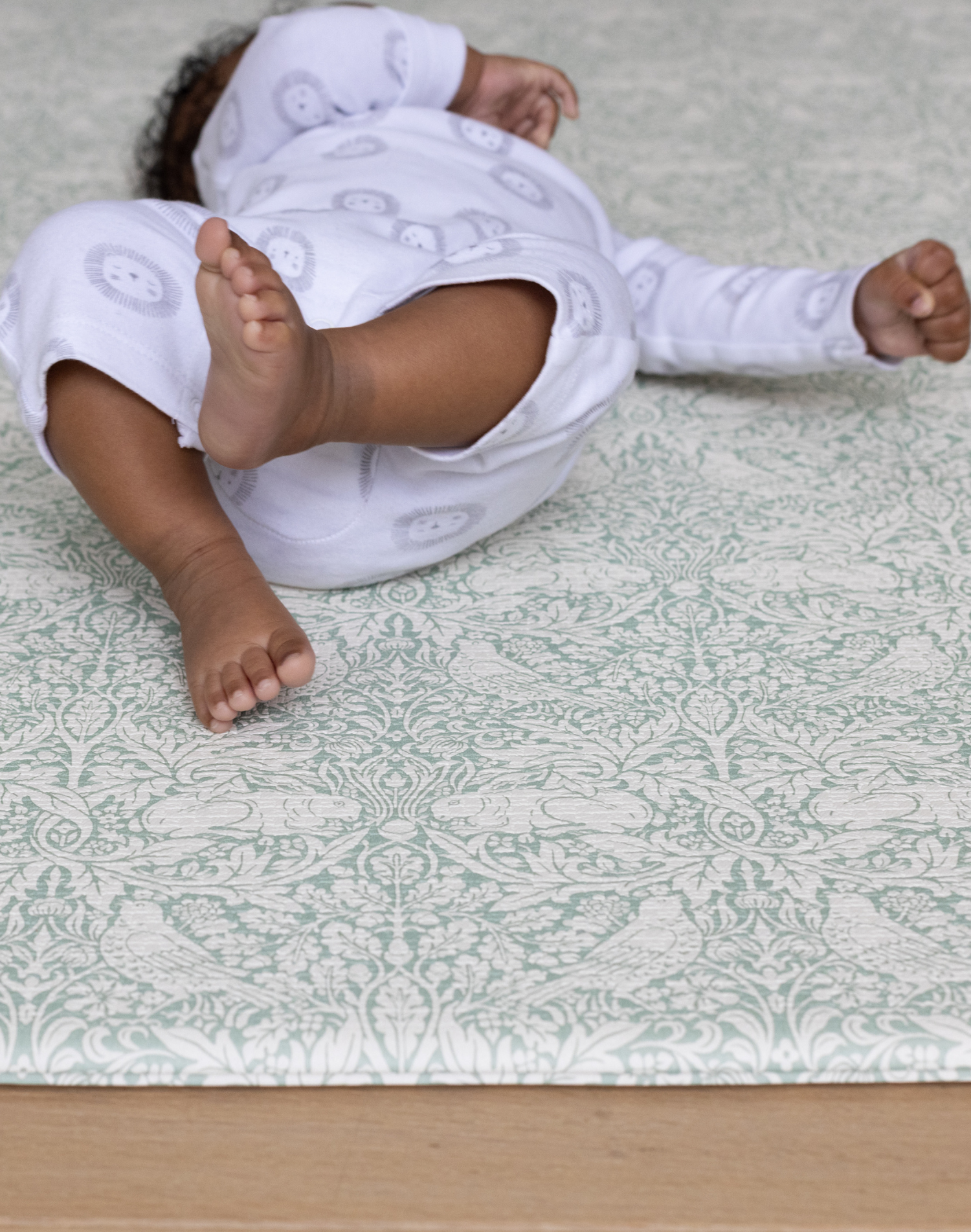

There comes a point when you realise your baby isn't quite as stationary as they used to be…
Maybe you've noticed them rocking onto one side. Perhaps they've managed one slightly accidental roll and looked as surprised about it as you were. Or maybe you've put them down in one spot, turned around, and found them somewhere else entirely.
Rolling is one of those lovely little milestones that can seem to appear out of nowhere.
And, like most milestones, it can bring questions with it. Should they be rolling by now? Should I be helping? Do we need to practise?
The short answer is that babies get there in their own time.
At Totter + Tumble, we've seen our playmats become part of these everyday moments for years. The same bit of floor that starts with those first few minutes of tummy time soon becomes somewhere to roll, sit, crawl, play and, eventually, take those first wobbly steps.
So rather than giving you another milestone checklist, we've pulled together a few useful things to know about rolling - and some simple ways to give your baby the space to work things out for themselves.

When do babies start rolling?
Many babies start exploring rolling at around 4–6 months, although there's plenty of variation.
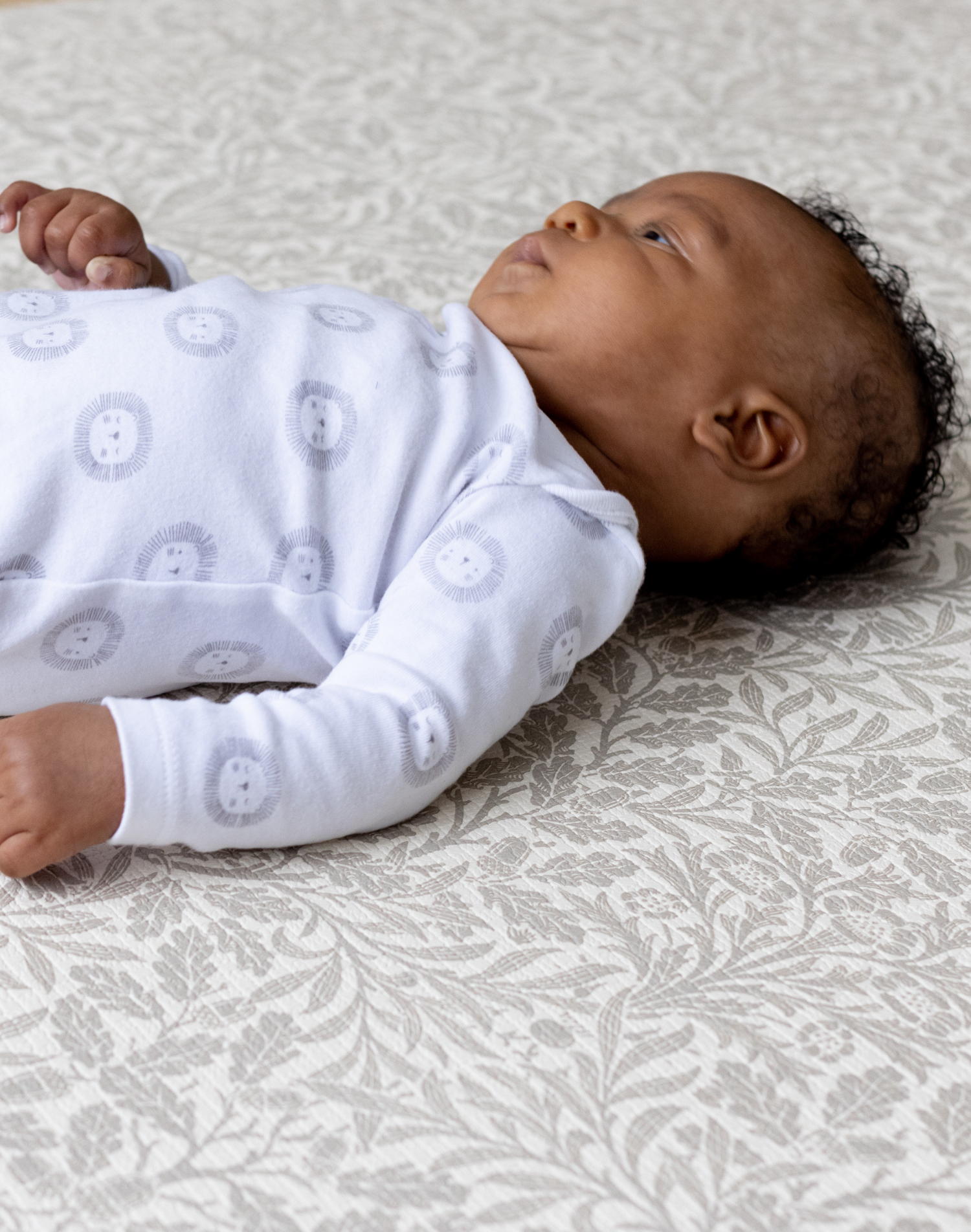
Some babies work out tummy-to-back first. Others go from back-to-tummy. And that first roll isn't always the neat, deliberate movement you might be expecting.
You may notice the beginnings of it before your baby actually rolls: rocking onto their side, twisting towards something interesting, lifting their legs or reaching across their body.
Try not to get too hung up on exactly when it happens.
It's very easy to hear that another baby at playgroup is rolling and immediately wonder whether yours should be too. Babies develop at different rates, and there's a lot happening before a milestone becomes obvious from the outside.
If you are worried about your baby's movement or development, speak to your health visitor, GP or another qualified healthcare professional.
Rolling doesn't need to become homework
There's already plenty to think about when you have a baby. Rolling doesn't need to become another thing to practise, perfect or tick off.
One of the most useful things you can do is simply give your baby regular opportunities to spend time on the floor while they're awake and supervised.
That doesn't need to mean setting up an activity.
It might be a few minutes after a nappy change. Some tummy time while you sit beside them. Or simply putting them down somewhere comfortable while you chat to them, fold the washing or drink the cup of tea you've already reheated twice.
Floor play can be very ordinary. And that's the point.
What about tummy time?
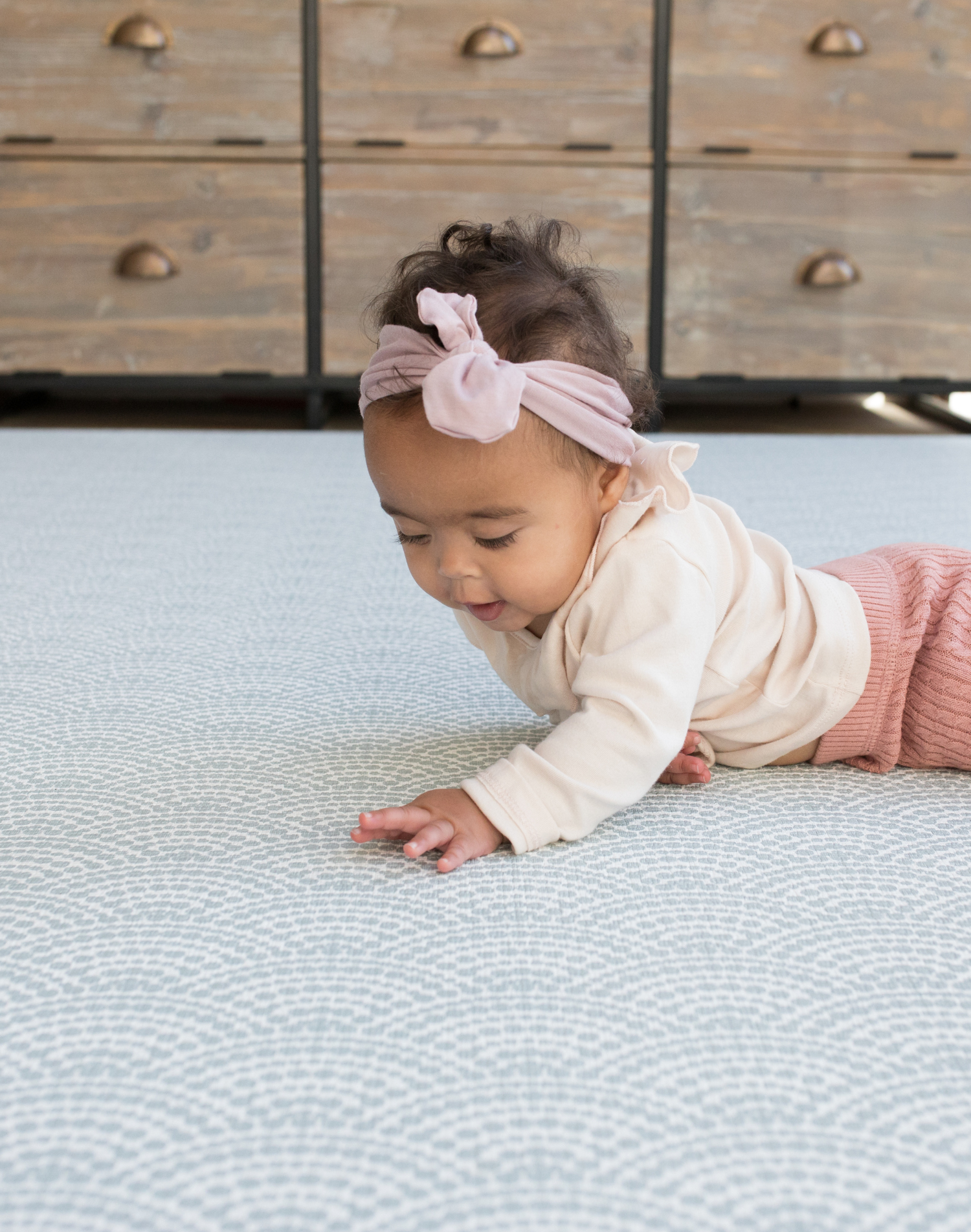
Tummy time gives babies a chance to explore lots of the movements that come before becoming more mobile: lifting and turning their head, pushing through their arms, reaching and shifting their weight.
But if your baby isn't a huge tummy time fan, you're certainly not alone.
You don't need to force long sessions. Try getting down beside them, chatting or singing, or putting something interesting nearby. A few shorter moments throughout the day may feel much more manageable for everyone.
And if today they're having absolutely none of it? Try again another time.
Our tummy time guide has more ideas if you're looking for ways to make it feel a little easier.
Give them a reason to turn
You don't need a special rolling toy. More often than not, you're interesting enough.
Try lying beside your baby rather than directly in front of them. Talk to them, pull a face or move from one side to the other and see whether they turn towards you.
A favourite toy can work too. Put it somewhere they can see it without making it frustratingly out of reach.
This isn't about coaxing them into performing a roll. You're simply giving them something interesting to look towards and letting them work out what happens next.
They may turn towards you. They may roll. They may decide the label on the cushion is considerably more interesting than either of you. These are all perfectly good outcomes.
Give them a little more room
Early floor play can happen in quite a small space. Then rolling starts, and suddenly that space gets bigger.
Once your baby realises they can move from where you put them, it's worth leaving a bit of clear space around them and having another look at what's nearby. Get down on the floor yourself and see the room from where they are.
Is there a hard furniture edge just beyond the mat? Something dangling within reach? A toy belonging to an older sibling that isn't meant for little hands?
You don't need to completely rearrange your house the moment your baby rolls for the first time. Just keep looking at their space with fresh eyes as what they can do changes every day.
What should a baby practise rolling on?
Babies don't need a special product to learn how to roll. What they need is the opportunity to move, with a clear, stable area and enough room to explore.
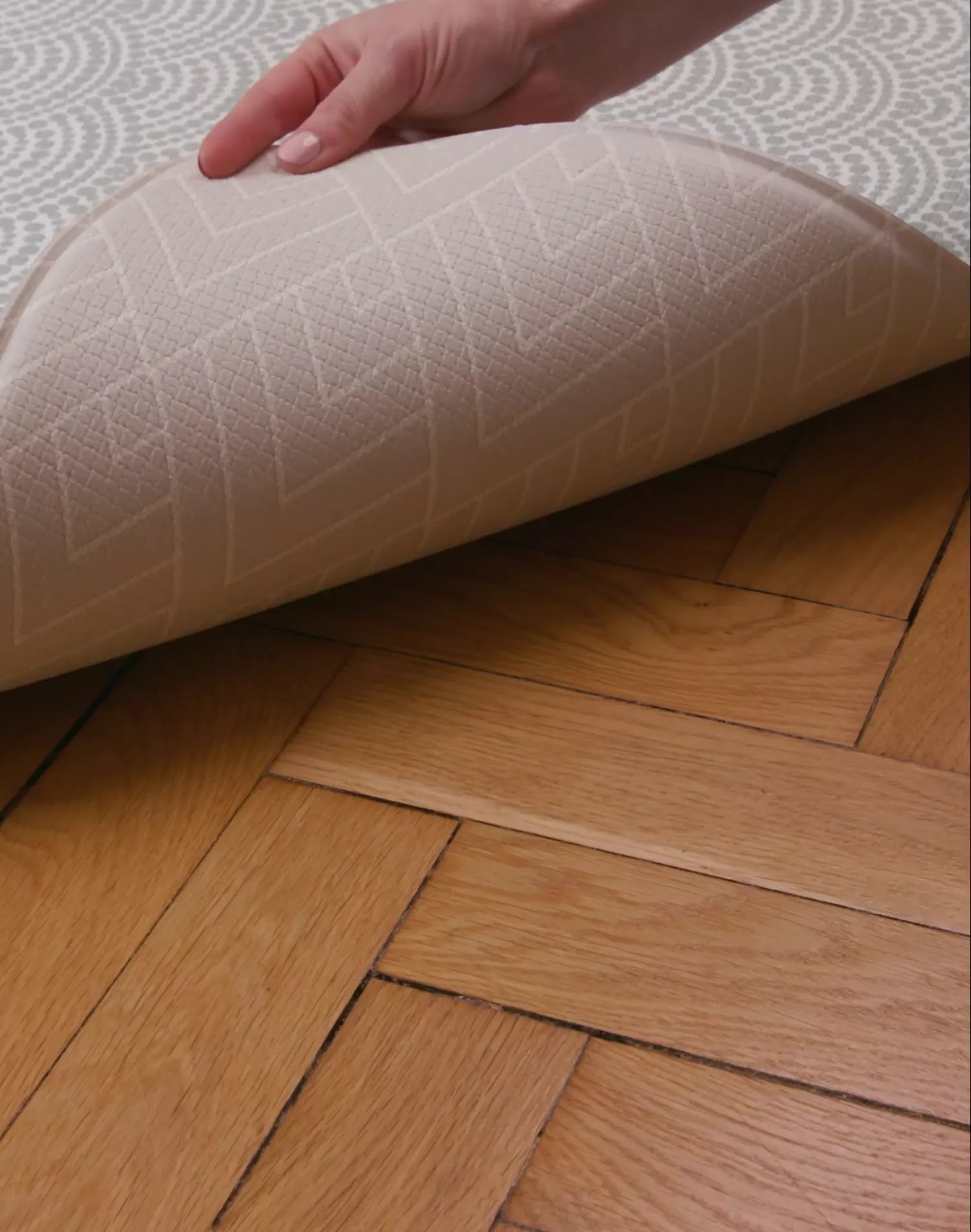
If you have hard floors, you may also want some cushioning beneath them. There will be plenty of enthusiastic head lifts, unexpected rolls and little bumps along the way. This is exactly the kind of everyday floor play Totter + Tumble was created for.
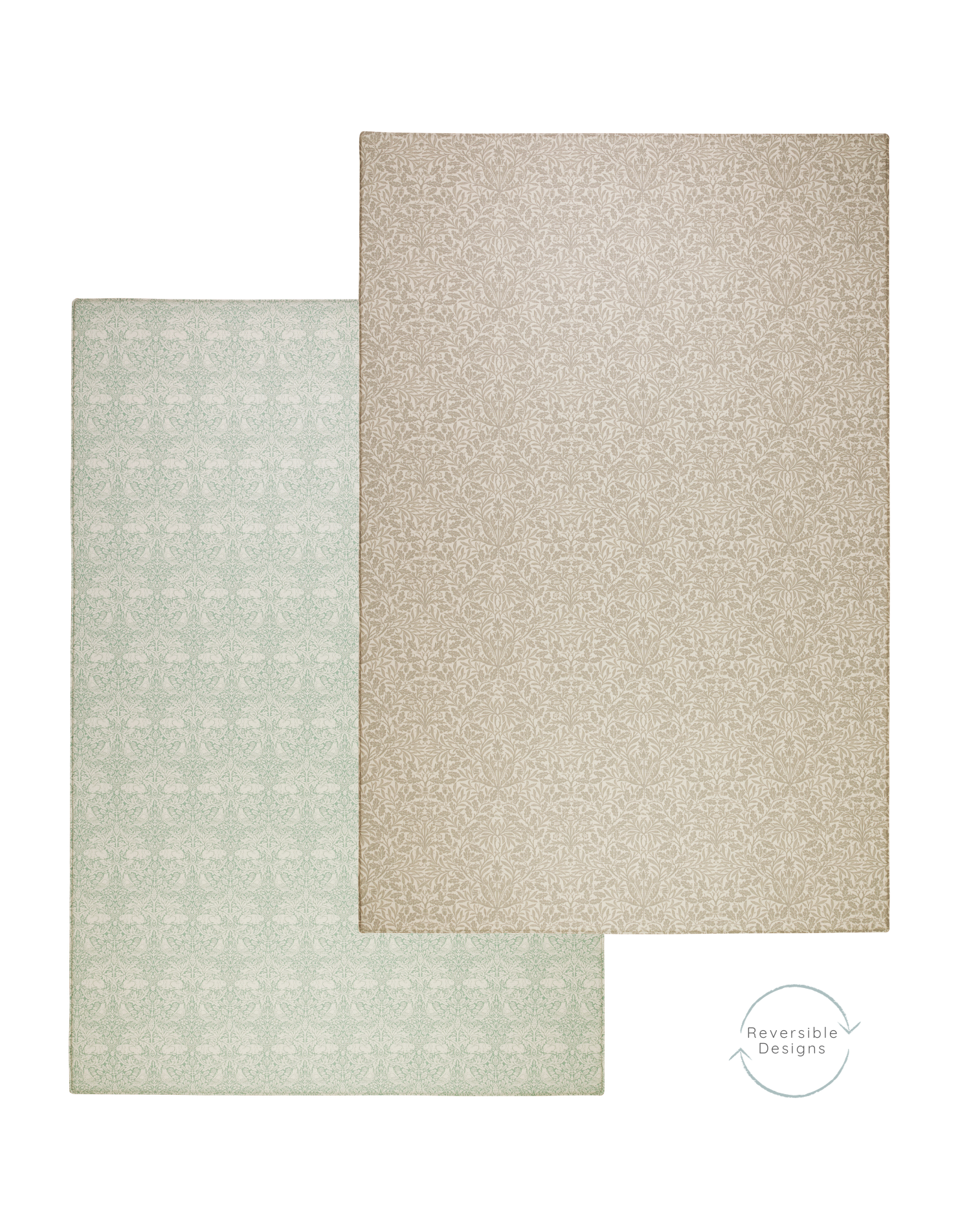
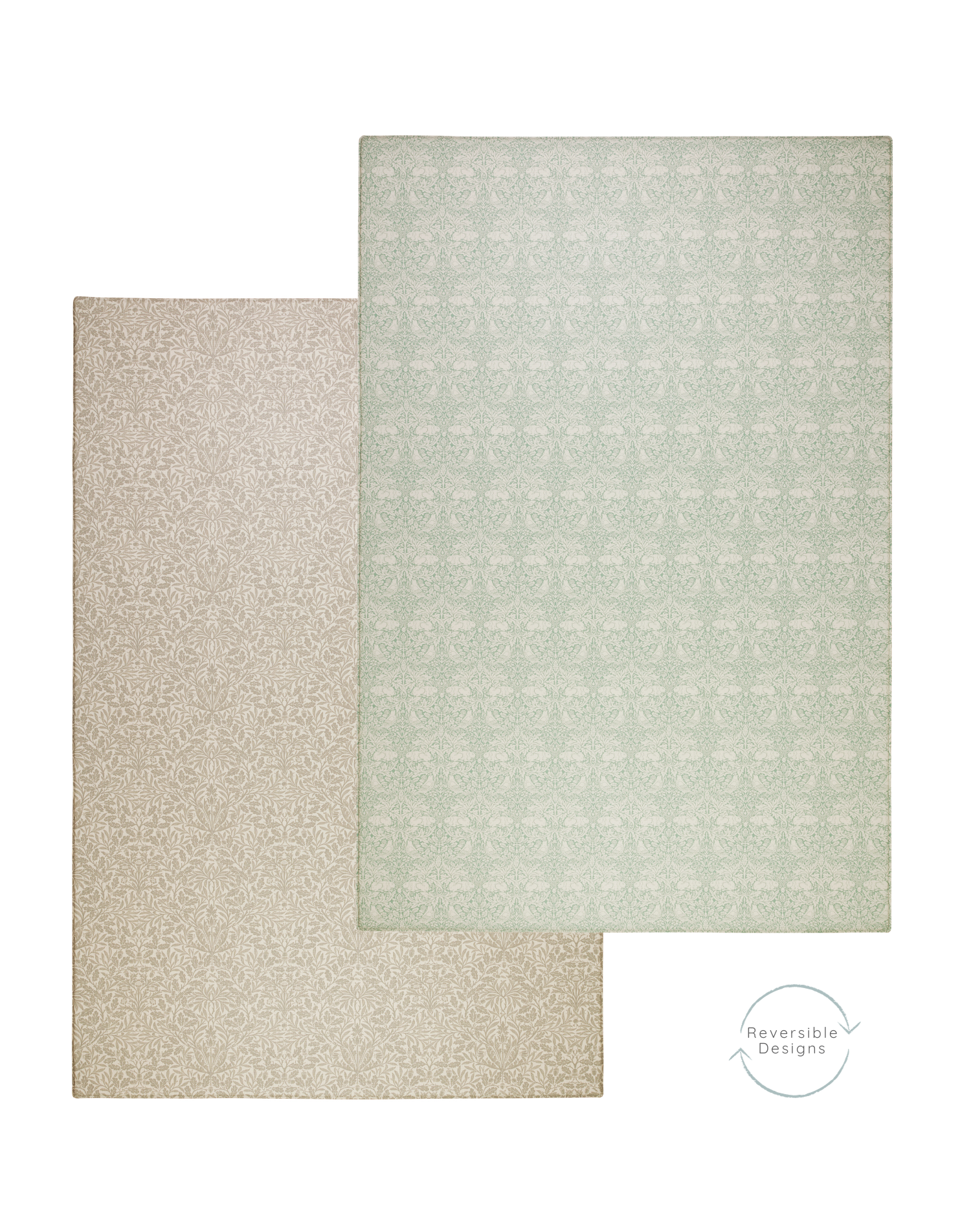
Our playmats are made from one continuous piece of 1.3cm memory foam, so there's a cushioned but stable surface beneath them without puzzle-piece joins.
They're independently tested and certified safe from newborn too, meaning the same playmat can be there from those early days of tummy time through to rolling and whatever comes next.
And there is one other feature that becomes increasingly important around this age: they're wipe-clean. Milk, dribble, sticky hands, the occasional nappy incident...
We've been there.
Don't feel like you need to fill the floor
It's easy to look at beautifully set-up play spaces and feel as though you should be doing more. More sensory toys. More activities. More things to reach for.
You really don't need to fill every bit of space. A little empty floor gives babies room to stretch, kick, wriggle, reach and eventually roll without immediately meeting another object.
A couple of toys, a book, you sitting nearby - that can be enough. Some of the best floor play doesn't look particularly impressive.
The mat stays. The way they use it changes.
This is one of our favourite things about making playmats. First, you carefully place your newborn in the middle for tummy time. Then comes a roll.
Before long, they're sitting there surrounded by toys. Then crawling from one end to the other. Later, there are cars, blocks, books, puzzles, dens and usually at least one grown-up lying down "just for a minute".
We've seen the way our own children use the floor change, and we see it in the photos and stories Totter + Tumble families share with us too. It's why our playmats have never been designed for just one milestone.
They're made for those early baby days, but they're also made to stay as family life moves on.
What happens after rolling?
Rolling often feels like the moment things start moving rather quickly, quite literally.
Sitting, reaching and other ways of getting around may follow. Crawling might come later, although babies don't all reach milestones in the same order or in the same way.
There's no need to be in a hurry for the next one. For now, your baby has just discovered something new. Give them some space and let them enjoy it.
Baby rolling FAQs
When do babies start rolling?
Many babies begin exploring rolling at around 4–6 months, but there's plenty of variation. Some babies roll earlier or later, and tummy-to-back and back-to-tummy rolling may happen at different times.
What are the signs my baby might be getting ready to roll?
You might notice your baby rocking onto one side, twisting, lifting their legs or reaching across their body. Sometimes the first full roll can take you both by surprise.
Does tummy time help with rolling?
Tummy time gives babies opportunities to lift and turn their head, push through their arms, reach and shift their weight as they explore movement.
How can I encourage my baby to roll?
You don't need to teach them. Give your baby regular opportunities for supervised floor play and plenty of room to move. You can lie beside them or put something interesting slightly to one side to give them a natural reason to look and turn.
Does my baby need a special mat for rolling?
No. Babies don't need a particular product to learn to roll. A clear, stable space gives them room to move freely. If you have hard floors at home, you may prefer some cushioning beneath them for everyday floor play.
Make space for what comes next
There's so much emphasis on babies reaching the next milestone that it's easy to forget how lovely the bit in between can be.
The rocking. The wriggling. The almost-rolls. The look on their face when they finally find themselves somewhere they weren't a second ago.
You don't need to hurry any of it.
Give them some time, somewhere comfortable to play and enough space to see what they work out next.
From tummy time and those first rolls to crawling, first steps and years of play, Totter + Tumble playmats are made for all the life that happens on the floor.